
At Engain, we specialize in environmental mitigation strategies that meet regulatory requirements and create sustainable outcomes. Let us help you navigate these complexities with confidence.
Contact our team today to discuss your project or learn more about our services. We’re here to support you at every step.
Related Services
Protecting Our Environment: Why Mitigation Matters
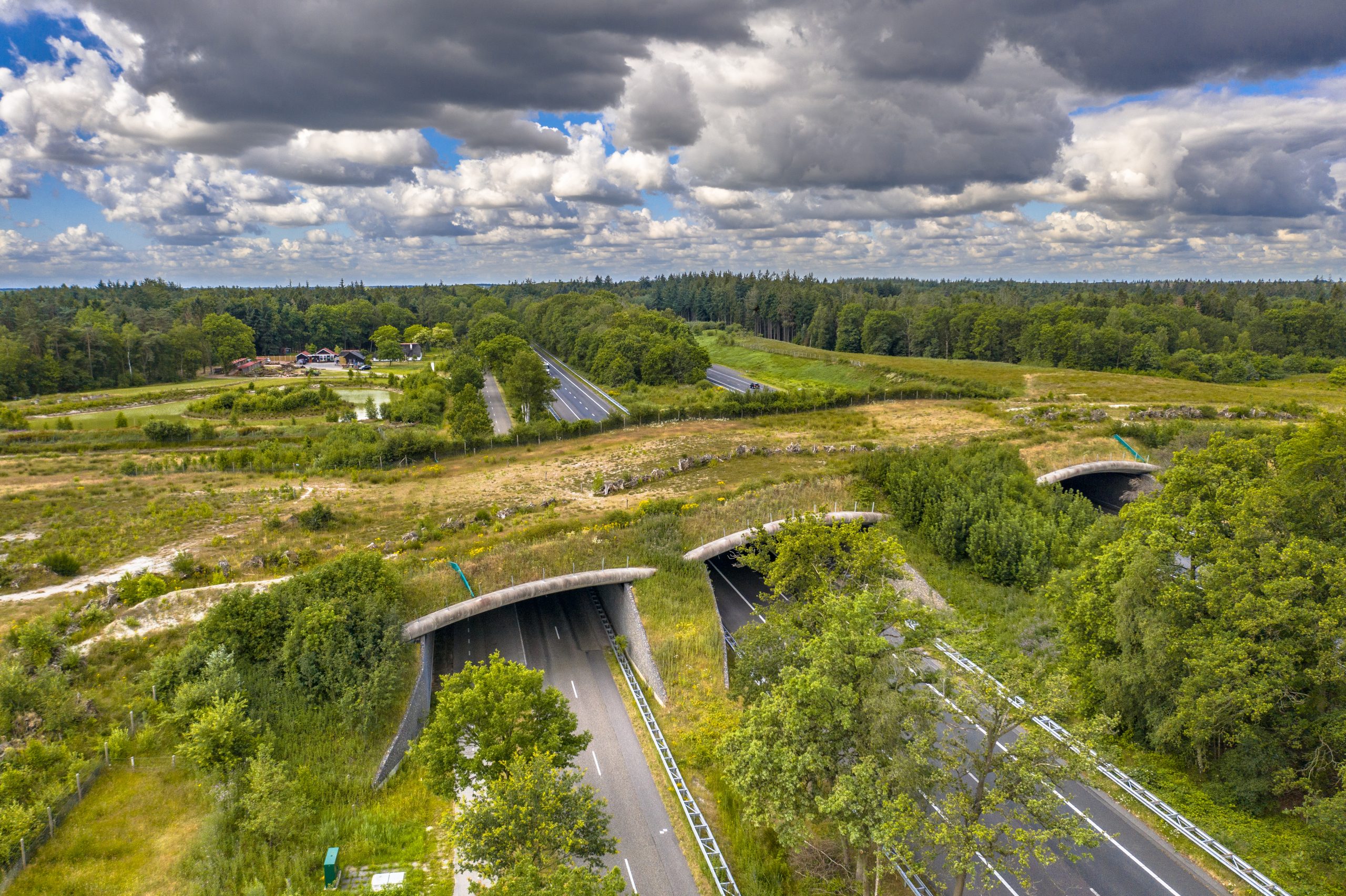
Environmental mitigation plays a vital role in safeguarding our natural and historic environments, enhancing health, and promoting well-being. It focuses on reducing or avoiding the negative impacts of infrastructure and property development on the environment.
Building Sustainability Into Design
Environmental considerations start with the design phase. An Environmental Impact Assessment (EIA) helps guide this process, ensuring the project aligns with sustainability goals while protecting environmental resources.
By integrating the EIA early, projects can account for environmental factors, refine design options, and minimize harm from the outset.
Managing Impacts During Construction and Operation
Construction, though temporary, often carries significant environmental risks. Effective environmental management during this phase minimizes these risks by fostering collaboration with contractors and regulators.
In the operational phase, ongoing efforts such as testing, auditing, and maintenance ensure compliance with environmental standards and legal thresholds.
The Mitigation Hierarchy
To systematically reduce environmental impacts, the mitigation hierarchy prioritizes actions as follows:
- Avoid (most preferred)
- Minimize
- Remediate
- Offset or Compensate
This approach is essential when presenting plans to stakeholders and regulators for approval.
Practical Mitigation Measures
Environmental mitigation can take many forms, including:
- Renewable energy: Solar panels and wind turbines.
- Energy efficiency: Passive heating, natural lighting, and EV charging points.
- Water management: Greywater recycling and conservation systems.
- Waste reduction: Reduce, reuse, and recycle strategies.
- Air quality improvement: Healthy travel options like cycleways and footpaths.
- Sustainable materials: Low-carbon and eco-friendly construction materials.
- Green spaces: Wildlife-friendly features such as green roofs and walls.
Design-Phase Mitigation Techniques
During the design phase, mitigation measures might include:
- Mapping environmental risks.
- Developing sustainable land-use policies.
- Protecting natural and historic landscapes.
- Conducting floodplain mapping and socio-economic studies.
- Incorporating sustainable design principles.
Given the legal and technical complexity of mitigation, it’s critical to consult environmental specialists to ensure all bases are covered.
Why Mitigation Is Non-Negotiable
Environmental mitigation isn’t just a good practice—it’s often a legal requirement. Both developers and public bodies are obligated to address environmental consequences throughout a project’s lifecycle, from design and construction to ongoing operation.